
Welcome to Nagaland
Experience the vibrant culture and breathtaking landscapes of Nagaland, home to diverse tribes and the famous Hornbill Festival.


Nagaland Awaits


Nagaland
Where mountains meet rich tribal traditions and lively festivals.


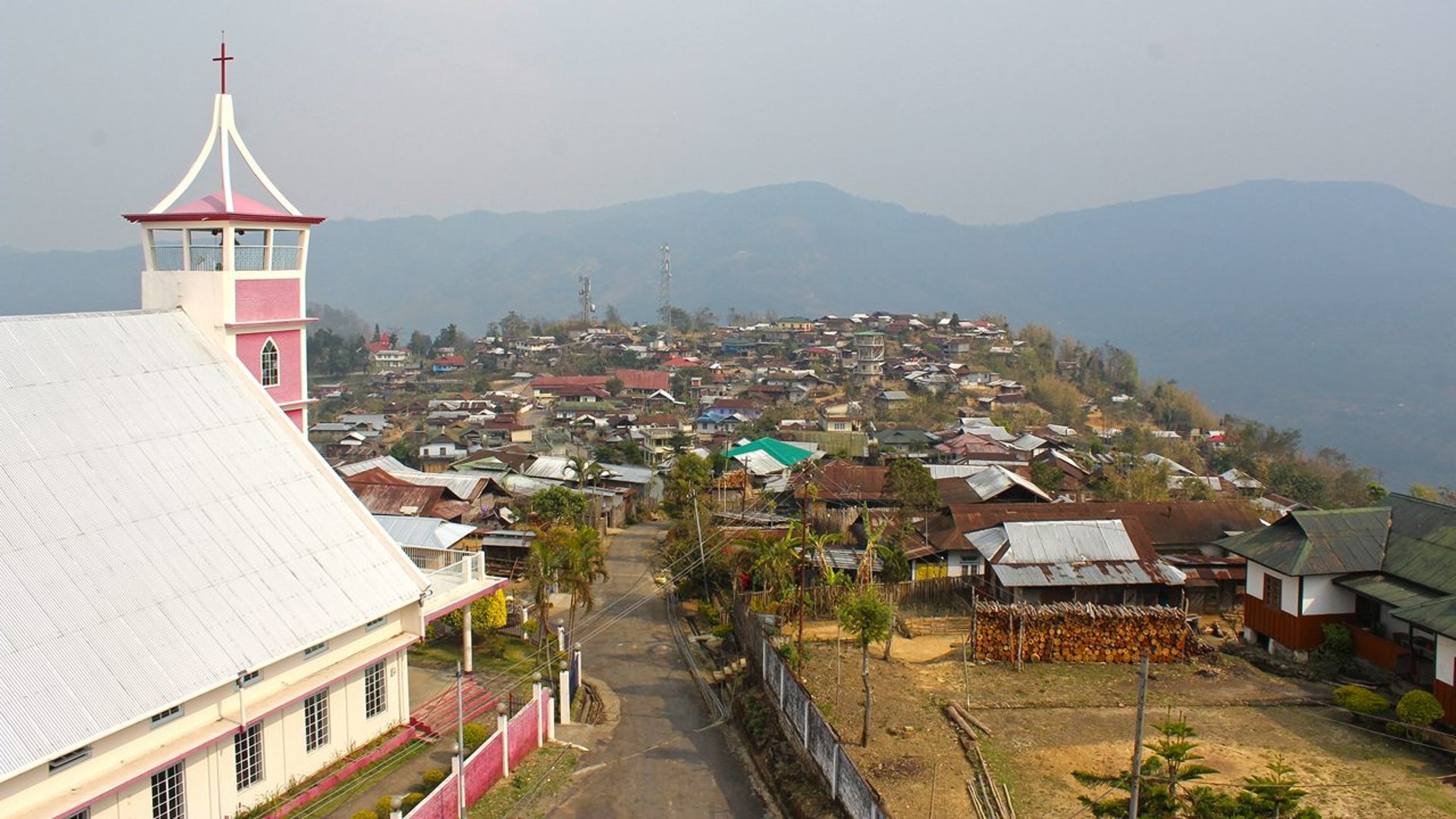
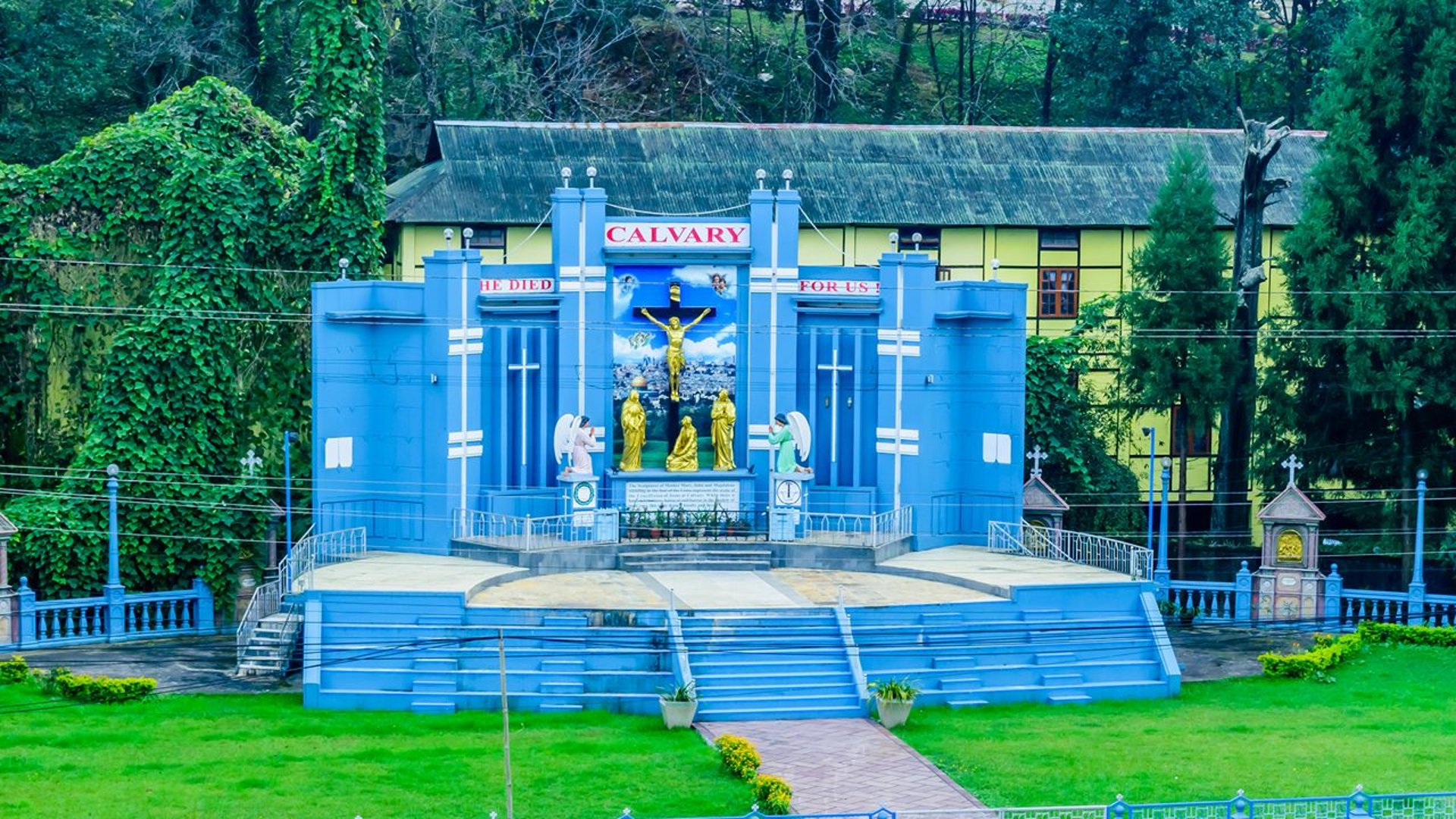
Nagaland is a captivating tourist destination in Northeast India, sharing its borders with Assam, Arunachal Pradesh, Myanmar, and Manipur. Renowned for its diverse tribes, each possessing a unique culture, this destination prides itself on its picturesque landscapes, majestic mountains, verdant vegetation, fresh air, and rich heritage. As one of India’s smallest states, it has Kohima as its capital. The name Nagaland is derived from the word 'Nag', which means snake. The Naga tribes are the most significant communities in this land, playing a crucial role in its history. The primary languages spoken in this state are Nagamese, Hindi, and English.
Among the key attractions of Nagaland are
Dzukou Valley - The Valley of Flowers
This remarkable attraction is celebrated for its hills adorned with vibrant flowers during the spring season. Situated at an elevation of 2438 meters above sea level, the valley is breathtakingly beautiful. Affectionately termed 'the valley of celestial charm', it also features streams, natural caves, and rocks. It is an ideal destination for camping and trekking.
Khonoma Green Village
Nestled in lush greenery, this village is home to dense forests that host a rich variety of flora and fauna. Orchids and bracken ferns flourish abundantly here. The captivating mountains, waterfalls, paddy terraces (where 20 varieties of rice are cultivated), and an ancient bastion comprise additional attractions of this village. Khonoma has designated approximately 70 square kilometers of its forest as the 'Khonoma Nature Conservation and Tragopan Sanctuary' (KNCTS). The Khonoma Village Council has made significant strides by prohibiting hunting not only in KNCTS but throughout the entire forest area of the village. This initiative greatly contributes to environmental conservation, making the village a must-visit destination in Nagaland.
Trekking in Nagaland
Nagaland offers remarkable opportunities for trekking. The astonishing and challenging trails in this state will undoubtedly invigorate your spirit. Enjoy fun, thrill, and adventure on your trekking expedition amidst mesmerizing surroundings. Notable locations for trekking include Dzukou Valley, Mokokchung, Pungro, Mount Tiyi, and Satoi Range.
Nagaland Tribes
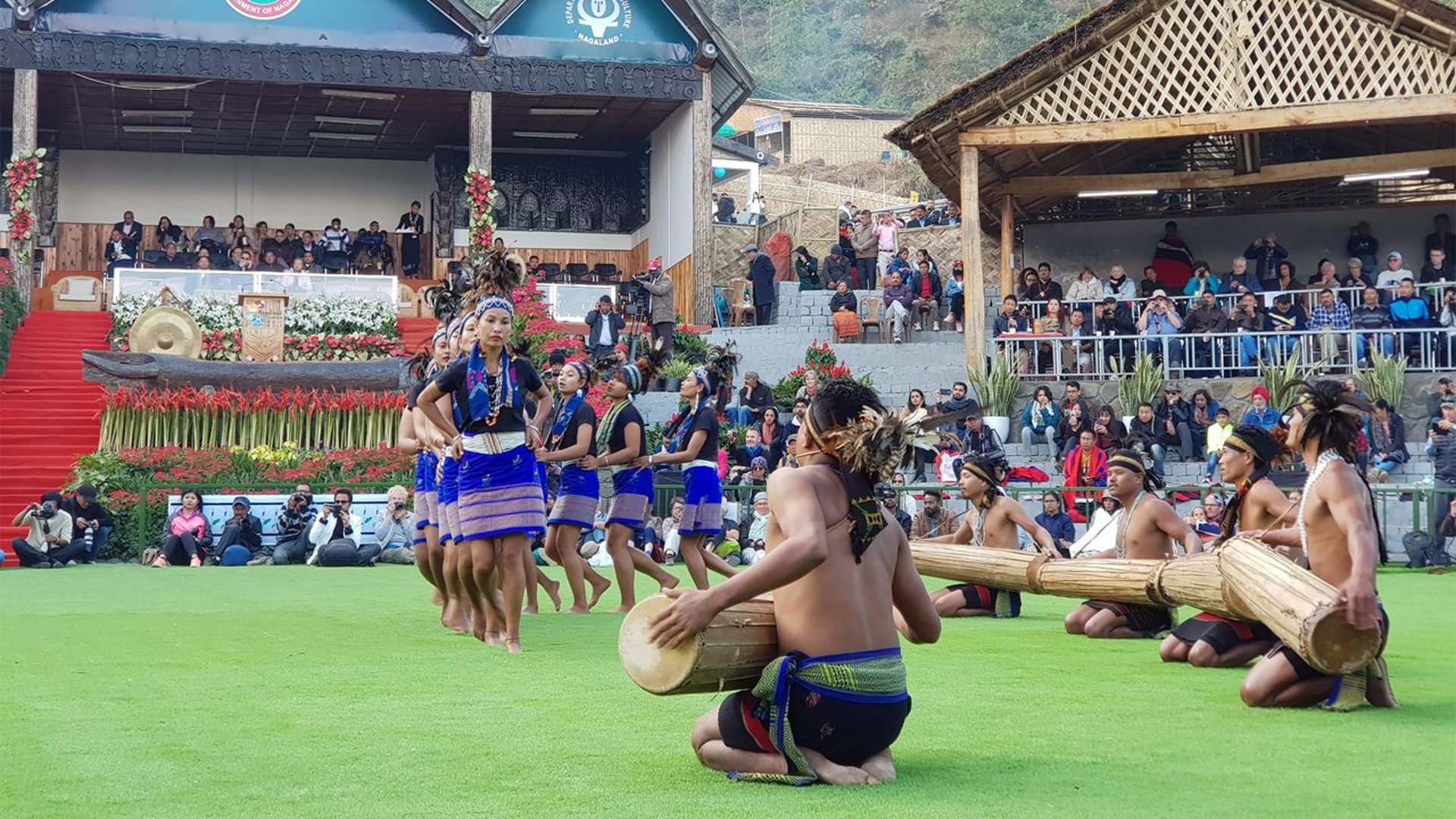
To understand the history and culture of Nagaland, one must explore its tribes and their traditions. The state is home to various tribes, but the Naga tribe stands out as the most well-known. Other tribes in Nagaland include Lothas, Angami, Ao, Chakhesang, Chang, Khiamniungan, Konyak, Phom, Pochury, Rengma, Sumi, Sangtam, Yimchungru, and Zeliang. These tribes are renowned for their exquisite handicrafts, including carpets, shawls, cane and bamboo products, jewelry, pottery, masks, wooden objects, and musical instruments. The Bamboo dance, War dance, and the Nazu festival are also significant cultural highlights of the tribes. There are around 16 tribes within the state.
State Museum
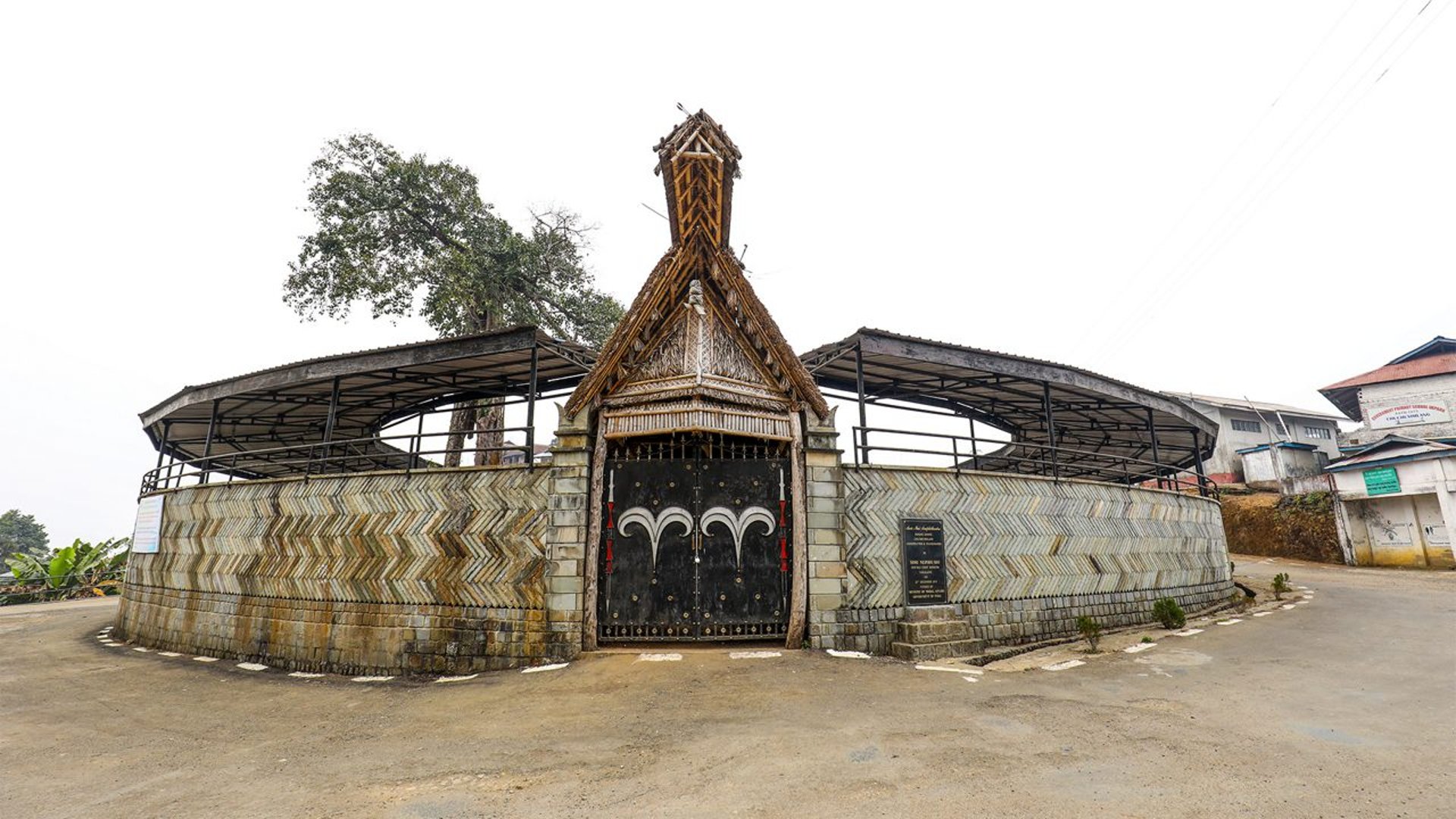
A visit to the State Museum of Nagaland allows you to appreciate a rare collection of artifacts representing different tribes of Nagaland.
Kohima War Cemetery
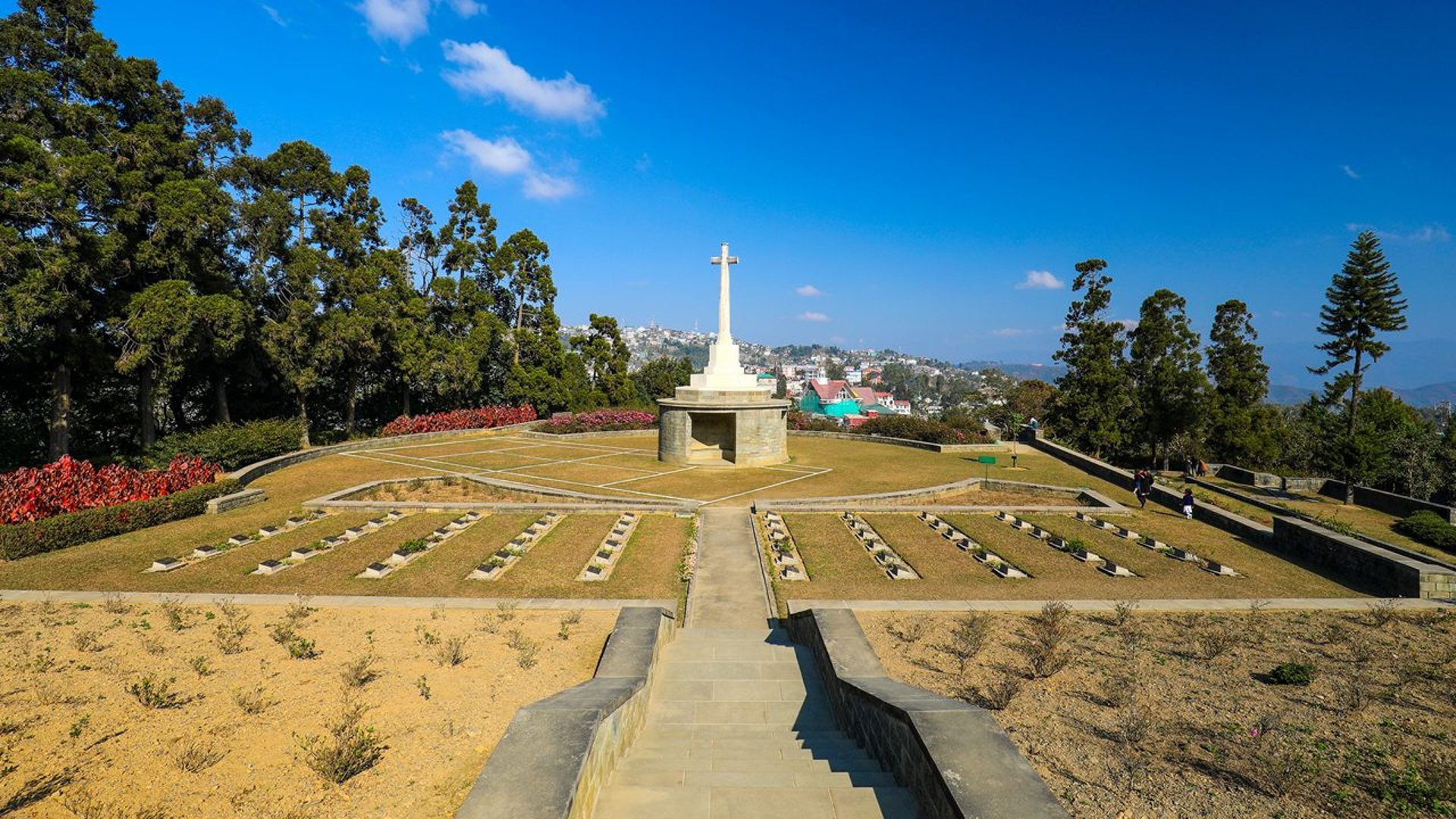
This cemetery is a memorial honoring the Indian soldiers who sacrificed their lives in World War II. It is located in Kohima, the capital city of Nagaland.
Hornbill Festival
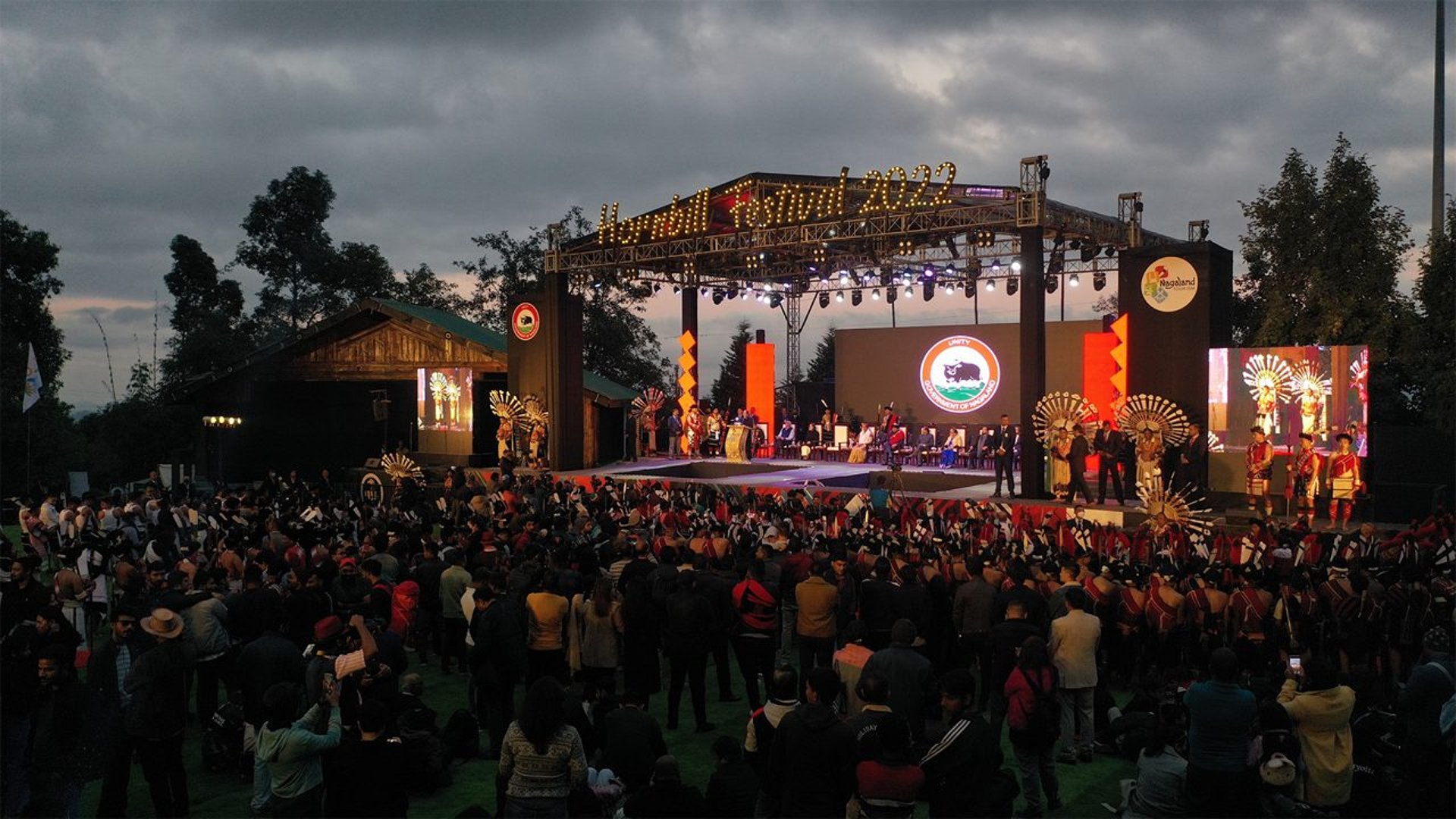
This festival is the perfect occasion to experience the vibrant cultural activities of various tribes of Nagaland. Facilitating inter-tribal interaction, the festival is organized by the Government of Nagaland and is celebrated annually in December at the Naga Heritage Village in Kisma, 12 kilometers from Kohima. The festival is named after the Hornbill bird, known for its alertness and beauty. Highlights of the festival include religious ceremonies, tribal dances, handicrafts exhibits, parades, games, and sports representative of Naga culture.
Best Time to Visit
From September to April
Cuisine
The primary ingredients in Nagaland’s cuisine are fish, meat, and rice.
Shopping in Nagaland
Nagaland is renowned for its handlooms and handicrafts. Notable handicrafts include shawls, mekhelas (sarongs), handbags, and cane and bamboo baskets.
Accommodation
Most hotels in Nagaland are located in its capital city, Kohima, and fall within the budget category. However, quality facilities and services are readily available even in budget hotels.
How to Reach
By Air: Dimapur is the only airport that connects Nagaland with cities such as Delhi and Kolkata.
By Rail: Dimapur serves as the primary railway station.
By Road: A well-developed network of roads connects Nagaland with Imphal, Guwahati, Shillong, and Kolkata.
Nagaland Tour Packages
Pearl Elite Tours
7A/43, W.E.A, Karol Bagh,
New Delhi-110005 INDIA
Reach Us
+919911151027
info@pearlelitetours.com
www.pearlelitetours.com

Secured payment gateway
Powered by ResAvenue
Quick Links : Home I Select Holiday I Explore India I Indian Destinations I Must See Attractions I Hotel Booking I Flights I Trains I Blog I Contact Us I About Us I Policies I Festivals of India I Ayurveda in India I Travel Destination Guide

Exclusive Partner