info@pearlelitetours.com 24X7 Call 9911151027





Explore North India
Northern part of India is a geographically and culturally diverse region of India that is home to the Himalayan mountains, the fertile Indo-Gangetic plain, and the Thar Desert. It has been a historical center of ancient civilizations and empires, including the Vedic, Mauryan, Gupta, Delhi Sultanate, and Mughal eras, and is a major hub for tourism.
Geography and Climate
The geography is broadly defined by three main features:
The Himalayas: Located in the north, these mountain ranges act as a natural barrier and are the source of major rivers like the Ganges and the Indus. They are known for cold to freezing temperatures and heavy snowfall in winter.
The Indo-Gangetic Plain: This vast, fertile plain is a result of alluvial deposits from the Indus, Ganges, and Brahmaputra river systems and is the "breadbasket" of India, supporting a large population. The climate here is "continental," with hot summers (often over 35°C) and cold winters.
The Thar Desert: Located in the state of Rajasthan, this arid region experiences extremely high temperatures in summer, sometimes reaching up to 50°C.
Culture and History
North India is a rich melting pot of cultures, influenced by Hindu, Buddhist, Sikh, and Indo-Islamic traditions. The region features a diverse linguistic landscape, with Indo-Aryan languages as the majority. The region's history is marked by the rise and fall of numerous empires, which have left behind a legacy of architectural wonders and religious sites.
Major States and Cities
The region generally includes the following states and union territories:
States: Himachal Pradesh, Uttarakhand, Punjab, Haryana, Uttar Pradesh, and Jammu & Kashmir (formerly a state, now a Union Territory)
Union Territories: Delhi, Chandigarh, and Ladakh
Major cities include Delhi (the capital of India), Jaipur (the "Pink City" of Rajasthan), Lucknow, Kanpur, Amritsar, Srinagar, and Shimla.
Key Attractions
North India is a prime tourist destination with a vast array of attractions:
Historical Monuments: The iconic Taj Mahal, Agra Fort, and Fatehpur Sikri in Uttar Pradesh; Red Fort, Qutub Minar, and Humayun's Tomb in Delhi; and the Hill Forts of Rajasthan are all UNESCO World Heritage Sites.
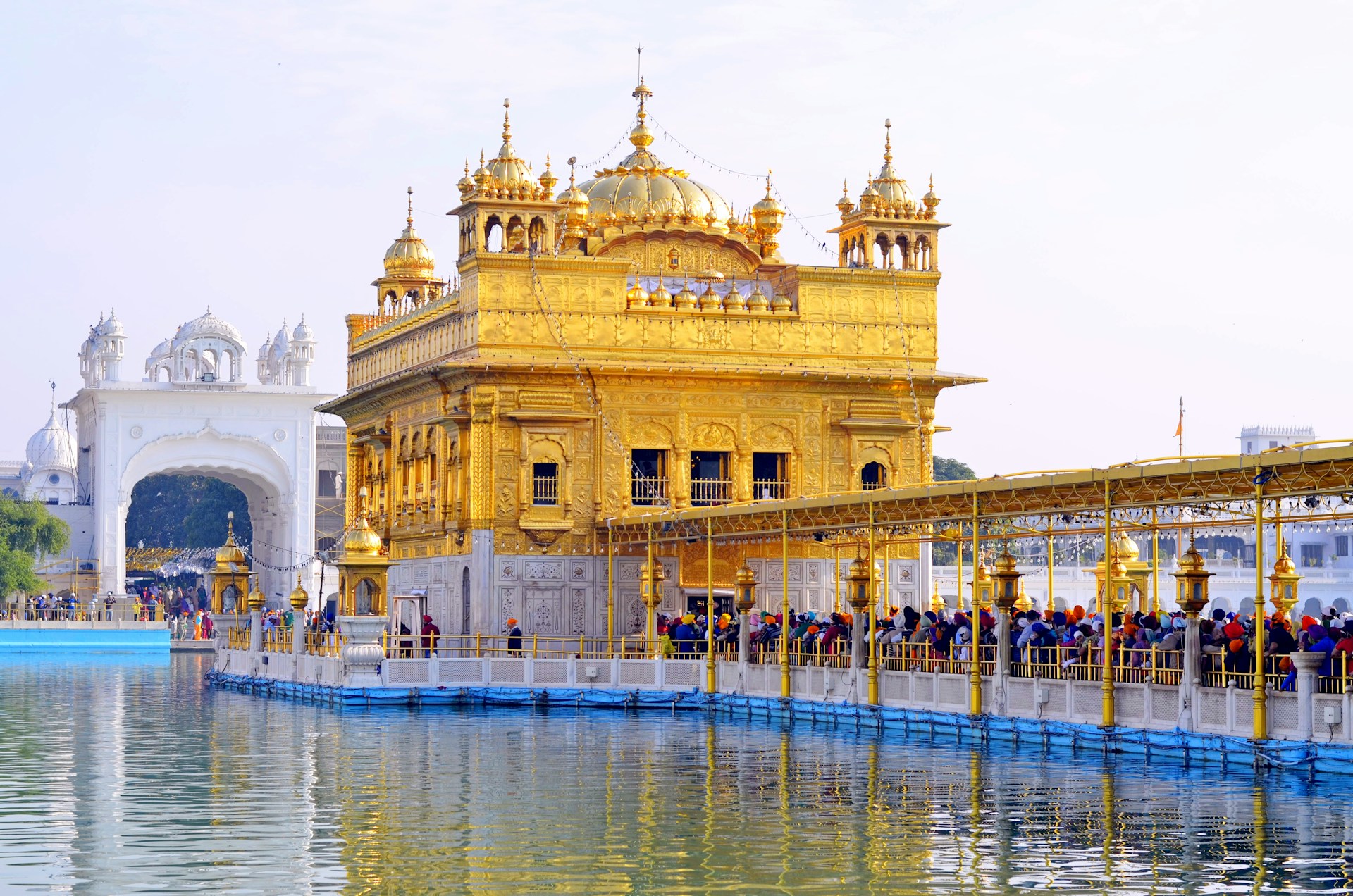
Spiritual and Religious Sites: The Golden Temple in Amritsar, the ancient city of Varanasi on the banks of the Ganges, and the Char Dham pilgrimage sites (Kedarnath, Badrinath, Gangotri, Yamunotri) in Uttarakhand.
Natural Beauty and Adventure: The Himalayan region offers stunning landscapes in places like Shimla, Manali, Dharamshala, and Ladakh, popular for trekking, skiing, and other adventure sports.
The region's economy is largely driven by agriculture (it is called the "breadbasket" of India), but also has growing sectors such as automotive components, IT, and tourism.
Explore North India States with Packages


Leh & Ladakh


Himachal Pradesh


Jammu & Kashmir
Uttrakhand


Uttar Pradesh


Punjab
Delhi
Pearl Elite Tours
7A/43, W.E.A, Karol Bagh,
New Delhi-110005 INDIA
Reach Us
919911151027
info@pearlelitetours.com
www.pearlelitetours.com


Secured payment gateway
Powered by ResAvenue