
Home > Explore India > Festivals of India



Festivals in India
Fairs & Festivals in India
India is a land of colorful fairs, vibrant festivals and diverse cultural traditions. Throughout the year, people across the country celebrate religious, cultural and seasonal festivals, making India's fairs and festivals a unique attraction for travelers from around the world.
Popular Festivals in India
Major Indian festivals include Diwali – the Festival of Lights, Holi – the Festival of Colors, Christmas, Eid, Pongal, Baisakhi, Independence Day and Republic Day. Each festival offers visitors an opportunity to experience India's rich traditions, local customs, music, food and celebrations.
Famous Fairs & Festivals
Kumbh Mela is one of India's most important pilgrimage gatherings, attracting millions of devotees to sacred rivers for religious ceremonies and holy bathing.
Pushkar Fair in Rajasthan is famous for its colorful celebrations, cultural activities and traditional livestock trading, particularly camels and cattle.
Goa Carnival brings together music, colorful parades, dance and entertainment, making it a popular cultural event for visitors.
From religious celebrations to traditional fairs, India's festivals offer an unforgettable way to experience the country's culture, heritage and local traditions.
Experience India's Festivals with Pearl Elite Tours
Plan your journey around India's most fascinating fairs and festivals with Pearl Elite Tours. We can help you create customized travel itineraries combining festivals with sightseeing, cultural experiences and local attractions.
Discover India's vibrant festivals and experience the country's culture like never before.
Holi Festival in India
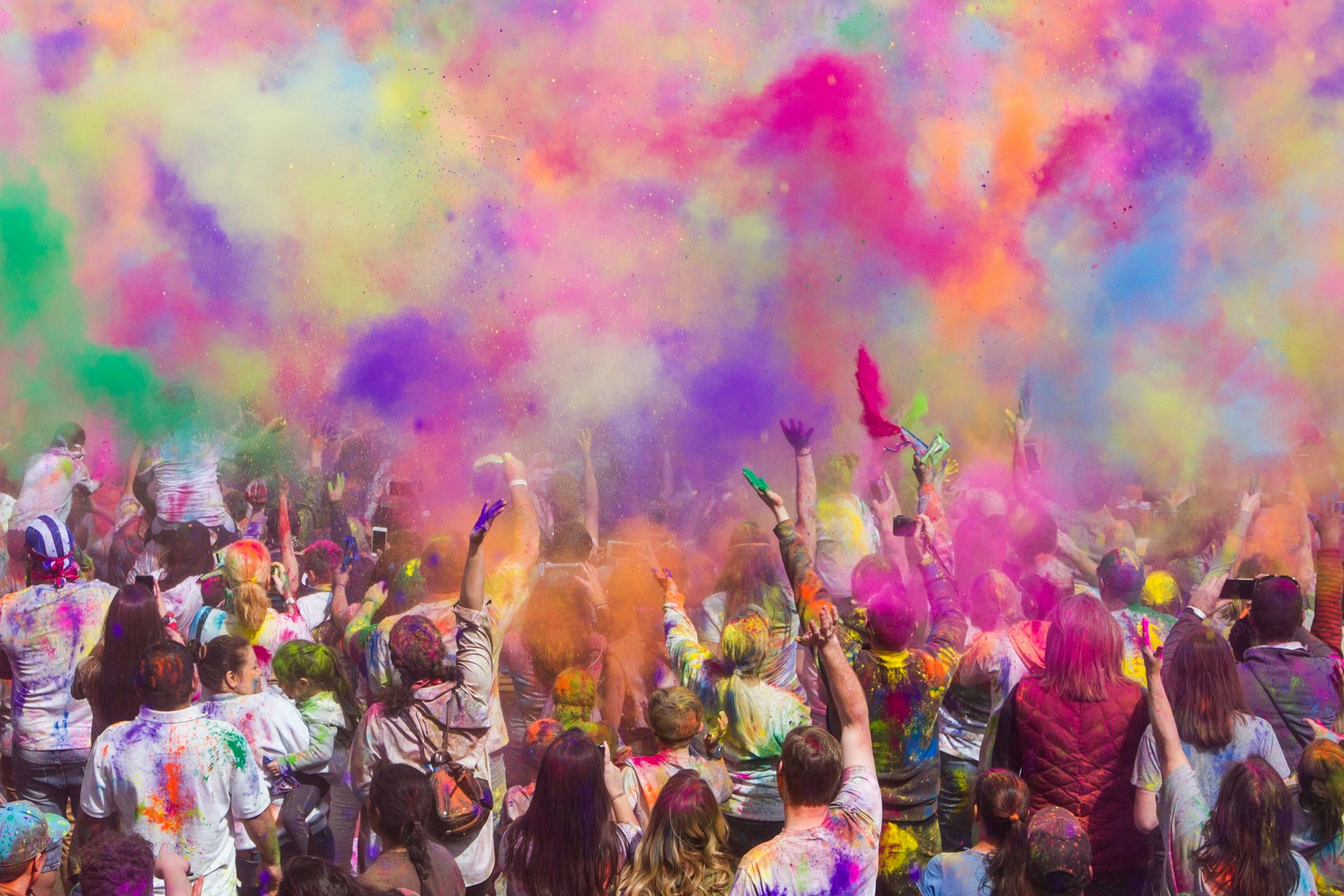
Holi, the Festival of Colours, is one of India's most vibrant festivals, celebrated in March to welcome spring and symbolize the triumph of good over evil. The celebrations begin with Holika Dahan, followed by a colorful festival of Gulal, water, music, sweets and traditional celebrations.
Holi in Mathura & Vrindavan
Mathura and Vrindavan are among the best places to experience Holi in India, with celebrations inspired by the traditions of Lord Krishna. The festivities at Banke Bihari Temple, Vrindavan are especially popular with visitors.
Experience Holi in Mathura and Vrindavan with Pearl Elite Tours and enjoy India's vibrant culture and traditions.


Goa Carnival
The Goa Carnival is a vibrant celebration of music, dance, colorful parades and Goan culture, usually held in February. Inspired by Goa's Portuguese heritage, this lively festival attracts visitors with its spectacular costumes, cultural performances and festive atmosphere.
Goa Carnival Highlights
Enjoy colorful street parades, live music, traditional dances, cultural performances and authentic Goan cuisine. Popular local dishes include Vindaloo, Xacuti and Sorpotel, offering visitors a taste of Goa's rich culinary traditions.
Experience the colorful Goa Carnival with Pearl Elite Tours and discover the culture, cuisine and festive spirit of Goa.


Diwali Festival in India
Diwali, the Festival of Lights, is one of India's most celebrated festivals, symbolizing the triumph of light over darkness and good over evil. Celebrated during the Hindu month of Kartik, Diwali is a festive period that includes Dhanteras, Choti Diwali, Diwali and Bhai Dooj.
Homes are decorated with diyas, rangoli and flowers, while families perform Lakshmi Puja and celebrate with sweets, gifts and traditional festivities. In Gujarat, Diwali also marks the beginning of the New Year for many communities.
Experience the vibrant traditions of Diwali in India with Pearl Elite Tours and discover India's rich culture and festive heritage.


Pushkar Fair in Rajasthan
The Pushkar Fair, held annually in Pushkar, Rajasthan, is one of India's most famous cultural fairs. Usually held around October–November, the fair brings together colorful celebrations, camels, horses, cattle, local traditions and visitors from around the world.
Pushkar Fair Highlights
Camel & Cattle Fair: See beautifully decorated camels, horses and cattle from across Rajasthan.
Cultural Events: Enjoy traditional competitions, music, dance and colorful performances.
Shopping: Explore stalls selling Rajasthani handicrafts, jewelry, textiles and traditional clothing.
Pushkar Lake & Temples: Visit the sacred Pushkar Lake and famous temples during your stay.
Experience the vibrant Pushkar Fair with Pearl Elite Tours and discover Rajasthan's unique culture, traditions and heritage.


Kerala Snake Boat Race
The Kerala Snake Boat Race is a spectacular traditional event held on the state's scenic backwaters. Known locally as Vallam Kali, these exciting races showcase Kerala's rich culture, community spirit and maritime traditions.
The long traditional boats, called Chundan Vallams, are beautifully decorated and rowed by large teams of oarsmen. The famous Nehru Trophy Boat Race is one of Kerala's most popular boat races, attracting visitors from across India and around the world.
Experience Kerala's vibrant snake boat races and beautiful backwaters with Pearl Elite Tours.


Onam Festival in Kerala
Onam is Kerala's famous ten-day harvest festival, celebrated between August and September to mark the homecoming of the legendary King Mahabali. It is one of the most important cultural festivals in Kerala, bringing families and communities together.
Onam Celebrations
Onam is celebrated with Pookalam (flower decorations), Onasadya (traditional feast), folk dances, music, games and boat races. Popular cultural performances include Pulikali (Tiger Dance) and Kummattikali (Mask Dance), while Vallam Kali adds excitement to the celebrations.
Experience the vibrant Onam festival in Kerala with Pearl Elite Tours and discover the state's rich culture, traditions and hospitality.


Mysuru Dasara – Dussehra Festival in Karnataka
Mysuru Dasara is Karnataka's famous 10-day Dussehra festival, celebrating the victory of Goddess Chamundeshwari over the demon Mahishasura and the triumph of good over evil. Usually held around September–October, the festival brings Mysuru alive with cultural events and celebrations.
Mysuru Dasara Highlights
The magnificent Mysuru Palace, illuminated with thousands of lights, is the center of the festivities. The grand Jumboo Savari procession features Goddess Chamundeshwari's idol on a beautifully decorated elephant, accompanied by music, cultural performances and decorated floats.
Visitors can also enjoy traditional dances, food festivals, fireworks, exhibitions, handicrafts and cultural programs.
Experience the royal grandeur of Mysuru Dasara with Pearl Elite Tours and discover Karnataka's rich culture and heritage.


Khajuraho Dance Festival
The Khajuraho Dance Festival is a renowned annual celebration of Indian classical dance and culture, held in February against the magnificent backdrop of the Khajuraho temples in Madhya Pradesh.
Festival Highlights
The festival features performances in classical dance forms including Bharatanatyam, Kathak, Odissi and Kuchipudi, presented by renowned dancers from across India. The beautifully illuminated temples create a spectacular setting for evening performances.
Visitors can also explore traditional arts, handicrafts and local cultural exhibitions during the festival.
Experience India's classical dance, art and heritage at the Khajuraho Dance Festival with Pearl Elite Tours.


Hornbill Festival in Nagaland
The Hornbill Festival is Nagaland’s most famous cultural festival, showcasing the traditions, music, dance, food and crafts of its indigenous Naga tribes. Organised by the Government of Nagaland, it promotes cultural heritage and unity.
Venue & Highlights
Held in the first week of December at Naga Heritage Village, Kisama, near Kohima, the festival features traditional dances, songs, Naga food, handicrafts, archery, wrestling, indigenous games and the colourful Night Bazaar.
Experience the vibrant culture of Nagaland with Pearl Elite Tours.


Kumbh Mela in India
The Kumbh Mela is one of the world’s largest religious gatherings, attracting millions of Hindu devotees, sadhus and spiritual seekers. Held at Prayagraj, Haridwar, Ujjain and Nashik, it is famous for the sacred ritual bath, prayers and spiritual ceremonies.
Kumbh Mela Highlights
Sacred bathing in the Ganga
Sadhus and religious gatherings
Spiritual discourses and devotional music
Traditional rituals and community meals
Experience the spiritual journey of Kumbh Mela with Pearl Elite Tours.


Pearl Elite Tours
7A/43, W.E.A, Karol Bagh,
New Delhi-110005 INDIA
Reach Us
+919911151027
info@pearlelitetours.com
www.pearlelitetours.com
Secured payment gateway
Powered by ResAvenue
Quick Links : Home I Select Holiday I Explore India I Indian Destinations I Hotel Booking I Flights I Trains I Blog I Contact Us I About Us I Policies I Festivals of India I Ayurveda in India I Travel Destination Guide I Same Day Tours

Exclusive Partner


MSME Registered
Approved by Ministry of Tourism

